
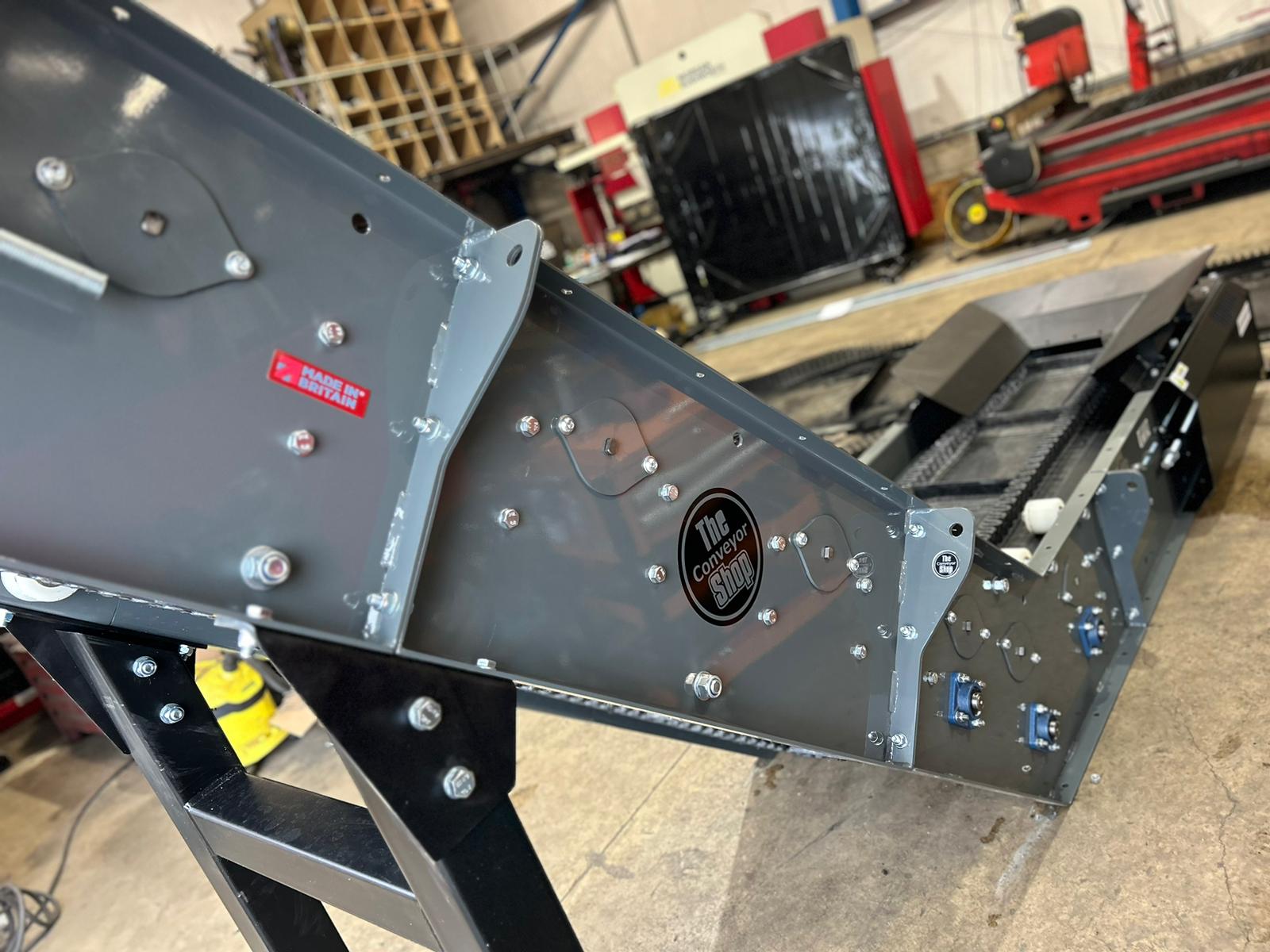
5 Signs Your Conveyor System Needs Maintenance
Conveyor systems are at the heart of many production, manufacturing and material handling operations. When they're running smoothly, they're easy to take for granted. But when something goes wrong, even a relatively small issue can result in costly downtime and disruption.
Spotting the early warning signs can help prevent minor problems from becoming major repairs. Here are five signs that your conveyor system may be due some attention.
1.Unusual Noises
A conveyor system shouldn't suddenly become noticeably louder.
Grinding, squeaking, rattling or knocking noises can indicate worn bearings, loose components, incorrect belt tension or other mechanical issues. Investigating unusual sounds early can often prevent further damage.
2. The Belt Is Tracking Incorrectly
If a conveyor belt continually moves towards one side rather than running centrally it shouldn't be ignored.
Poor belt tracking can cause excessive wear to the belt and surrounding components. Depending on the system, the cause could be anything from incorrect tension and misaligned rollers to material build-up.
Correcting the underlying problem early can help extend the working life of the belt.
3. Visible Belt Damage
Regularly inspecitng the conveyor belt itself is one of the simplest preventative maintenance measures.
Look out for signs such as:
- Fraying or damaged edges
- Cuts, cracks or tears
- Worn surfaces
- Damaged joints or splices
- Areas of excessive stretching
A damaged belt doesn't always need immediate replacement, but identifying deterioration early gives you the opportunity to plan maintenance rather than dealing with an unexpected failure.
4. Slipping or Loss of Performance
If the belt is slipping, struggling under normal loads or operating differently from usual, there could be an issue with belt tension, drive components or general wear.
Changes in conveyor performance are worth investigating even if the system is still operational. Continuing to run equipment with an unresolved problem can potentially cause additional damage and increase the eventual repair cost.
5. Frequent Stoppages
Occasional issues can happen with any piece of industrial equipment. However if operators are regularly stopping the conveyor to make adjustments, reset equipment or correct tracking problems, there is likely underlying issue that needs addressing.
Repeatedly applying temporary fixes can eventually lead to a more significant breakdown.
Preventative Maintenance Can Reduce Downtime
Waiting until a conveyor fails completely can mean unplanned downtime, emergency repairs and disruption to production.
Regular inspections and preventative maintenance can help identify worn or damaged components before they cause a breakdown, while also helping conveyor systems operate safely and efficiently.
Iff your conveyor is showing signs of wear, poor tracking or reduced performance. Getting it inspected sooner rather than later could save considerable time and disruption.
Need help with a conveyor system?
Whether you require maintenance, repairs, replacement belting or advice on an existing conveyor installation, getting the right support can help keep your operation moving.